MerchantBridge Advisors
Payment processing for skincare and cosmetics brands
Your payment review should reflect what your beauty business actually sells: finished skincare products, cosmetic serums, topicals, makeup or another clearly defined product line. A small private-label brand and an established subscription business can have very different processing needs.
MerchantBridge Advisors helps e-commerce merchants explain their products, business model and processing objectives to potential payment partners. Whether you are preparing to launch, adding a skincare line or reviewing your current arrangement, tell us about the business and we will explore the available options.
Free review. No MerchantBridge review or referral fee.
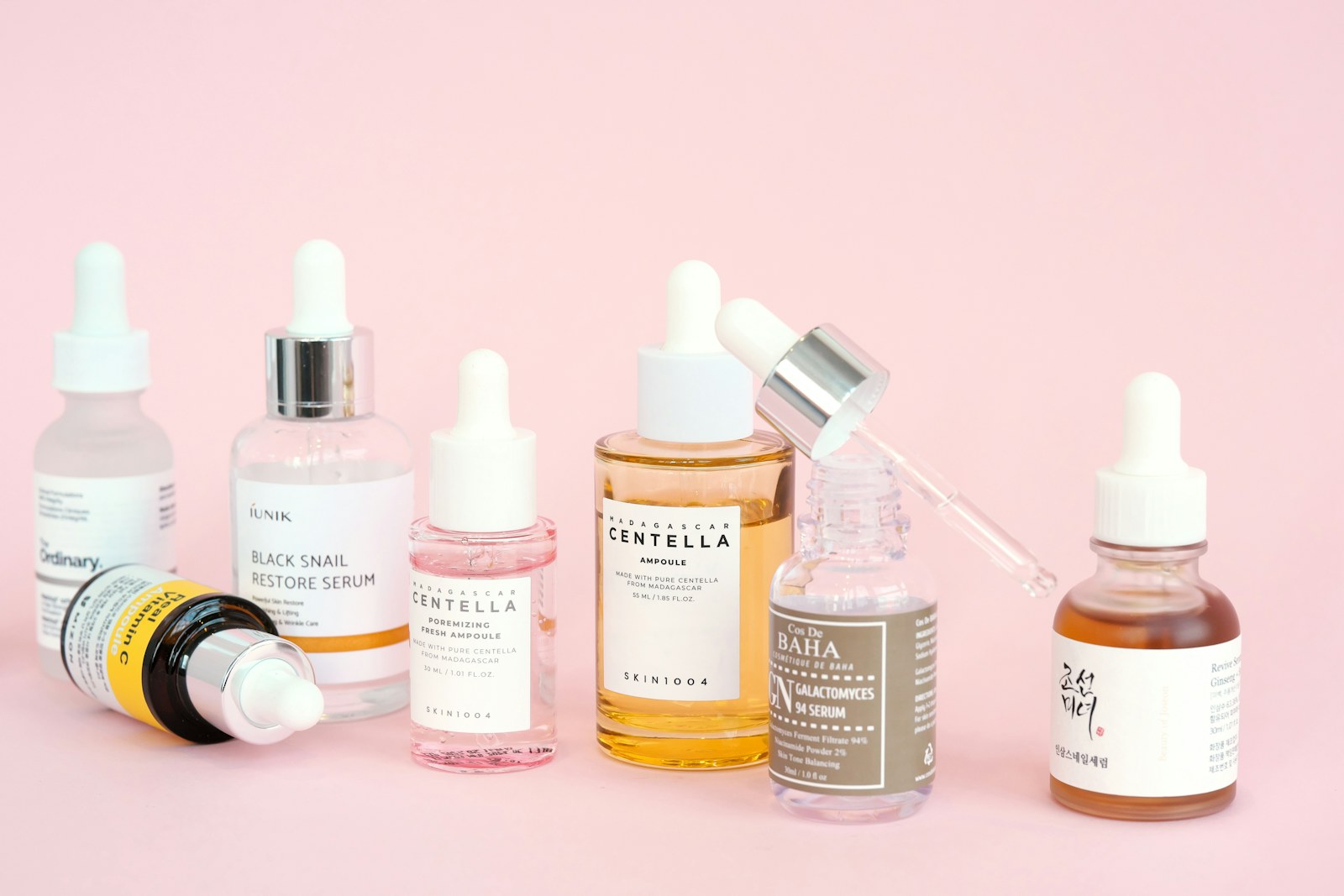
A clearer payment conversation for independent beauty brands
Beauty is a broad category. A finished moisturizer sold from available inventory is different from a preorder, a recurring product program, a medical treatment or a research ingredient. Those distinctions matter more than placing every business under one high-risk label.
Our review can start with the products and sales model you already have:
- Independent skincare brands selling direct to consumers.
- Cosmetic serums, creams, cleansers and other finished topical products.
- Private-label brands working with a contract manufacturer.
- Beauty businesses combining one-time purchases with replenishment subscriptions.
- Merchants adding online sales or expanding into new customer markets.
These examples are starting points for discussion, not a list of automatically approved products. Eligibility depends on the specific catalog, claims, operating model and payment partner.
Peptide skincare is not the same as selling RUO peptides
A finished cosmetic serum containing a peptide ingredient should not automatically be presented as a research-product business. Equally, describing an item as a serum or topical does not establish that it is legally a cosmetic or eligible for a particular payment account.
In the United States, FDA explains that intended use determines whether a product is a cosmetic, a drug, or both. Labels, website claims, advertising and other context can matter. "Cosmeceutical" is not a separate legal classification. FDA: Is It a Cosmetic, a Drug, or Both?
For a payment discussion, describe the finished product, intended customer, ingredients and actual claims. A product marketed to improve appearance raises different questions from one promoted to treat disease or change a bodily function. Regulatory questions should be resolved with qualified advisers, not by relabeling the product for an application.
If your business sells RUO materials, injectable products, prescription items or clinical treatments, say so clearly. Those activities require a separate discussion and should not be blended into a consumer-cosmetics description.
What to prepare for a skincare merchant review
You do not need a complicated presentation. You need a consistent account of what customers buy and how you deliver it. Start with your website and basic business information; prepare additional details for the follow-up conversation.
- Your catalog and claims. Identify the finished products, product pages, labels and the benefits you actually advertise. Include a new line you intend to add, not just what is selling today.
- Your supplier and production model. Explain whether you manufacture, use a private-label supplier, or resell products. Know who makes the goods and how you can substantiate the relationship.
- Inventory and fulfillment. State whether products are in stock, made to order or preordered, where they ship from, and what delivery timing customers see.
- The customer agreement. Make pricing, delivery, refunds, returns and support contact information easy to find and consistent with the checkout.
- Your sales pattern. Describe expected monthly volume, typical order value, customer markets and whether purchases are one-time or recurring.
- Your storefront requirements. Identify your current cart, gateway and subscription tools, or the tools you plan to use.
This is preparation guidance, not a universal bank-document list. Any partner can request additional information. Sensitive statements, identification and other private documents should only be supplied through the requested secure process.
Private-label products need a clear operating story
Working with a contract manufacturer does not tell a payment partner everything it needs to know. The brand still needs to explain its own role: what is sold under its name, who ships orders, what customers are promised and who handles a problem.
For example, a small brand preparing its first serum launch should distinguish confirmed inventory from an anticipated production run. An established seller adding a new formula should identify that change instead of assuming an existing account covers every future product.
The same principle applies to social-led launches. If an influencer campaign may create a sharp increase in orders, explain the fulfillment plan and expected sales pattern. A payment discussion is more productive when the operating assumptions are explicit.
Subscriptions and preorders should be visible from the start
Replenishment subscriptions can be a natural part of skincare commerce, but they need a clearly described billing model. What is charged today? What repeats? How often are products sent? How does a customer cancel or change the order?
Likewise, a preorder should be presented as a preorder, with a realistic shipment expectation. Do not describe an upcoming manufacturing run as ready-to-ship inventory. Let the prospective provider assess the model you actually intend to use.
When comparing arrangements, ask about support for your storefront and subscription tools, recurring-payment functionality, refund handling, settlement terms and any conditions attached to your product category. Compatibility should be confirmed for the actual setup, not assumed from a generic platform logo.
Keep cosmetic compliance records accurate
Regulatory readiness and payment eligibility are related conversations, but they are not the same approval. A processor accepting an account does not certify a product's legality or safety.
FDA's MoCRA framework includes requirements concerning cosmetic safety and other responsibilities, with certain small-business exemptions. Do not assume a small brand is exempt from everything or that the manufacturer handles every obligation for you. FDA: Modernization of Cosmetics Regulation Act of 2022
FDA also states that it does not provide certificates verifying cosmetic facility registration compliance. Registration or listing should not be presented as FDA approval of a finished product. FDA: Cosmetic facility registration and product listing
For current context, FDA announced final guidance on mandatory cosmetics recalls in October 2026. That is a reason to understand your product records and response responsibilities, not a claim that every payment provider now requires the same new document. FDA: Final guidance on mandatory cosmetic recalls
MerchantBridge is not a regulatory consultancy. We can discuss the information needed to present your business accurately; legal, safety and labeling determinations belong with appropriately qualified professionals.
How MerchantBridge helps
We review your processing objectives alongside the products, sales model and operating details you provide. We then explore available payment-partner options and, where appropriate, help prepare the business information for referral.
That may mean discussing a brand's first merchant arrangement, a change in its catalog, subscription requirements or international sales plans. We do not assume you need a high-risk account simply because you sell beauty products, and we do not promise that a particular provider will accept them.
The goal is a practical next step based on your actual business. Payment partners determine approval, pricing, settlement and account conditions. MerchantBridge does not charge a review or referral fee; partner processing fees and terms are separate.
Skincare and cosmetics payment questions
Are all skincare brands considered high risk?
No single label describes every skincare business. A partner will assess the actual products, claims, billing arrangements and operation. A straightforward cosmetic retailer should not be treated as identical to a research-product seller or a medical service.
Can I request a review for cosmetic peptide serums?
Yes. Explain the finished products and their intended use, and provide the relevant website information. A peptide ingredient alone does not establish regulatory status or payment eligibility. Research ingredients, injectables and therapeutic products need separate consideration.
Can a new or private-label beauty brand inquire?
Yes. Be clear about what is ready and what is planned: supplier, products, storefront, inventory and fulfillment. A pre-launch inquiry can help establish the questions to resolve, but it does not guarantee an account or a launch date.
Can I sell skincare subscriptions?
Tell us how your subscription works so relevant options can be explored. The provider and your cart or billing tools must support the arrangement, and customers need a clear explanation of recurring charges, delivery and cancellation. Do not assume one-time-payment approval includes every subscription model.
Can I keep my current e-commerce platform?
Possibly. Share the platform, gateway and any subscription tools you use. Compatibility and any migration work must be checked against the proposed payment arrangement before changes are made.
Does a clinic's skincare store belong on this page?
Finished consumer products can be discussed here, but medical consultations, procedures, prescriptions and treatments are a separate business activity. Tell us about both when they exist so neither is overlooked in the review.
Put your beauty brand's payment needs in context
Tell us about your storefront, products and processing objectives. We will review the information and follow up about the details needed to explore available options for your business.
Free merchant review. No MerchantBridge review or referral fee.
Have a general question? Contact MerchantBridge.