
For ISOs & agents / Partner guide
ISO Payments: Peptide Skincare Referrals
Refer a peptide skincare brand for merchant processing using its finished products, claims, sales model and fulfillment, rather than an RUO label.
By MerchantBridge Advisors | Published November 4, 2026 | 5 min read
Research checked October 30, 2026
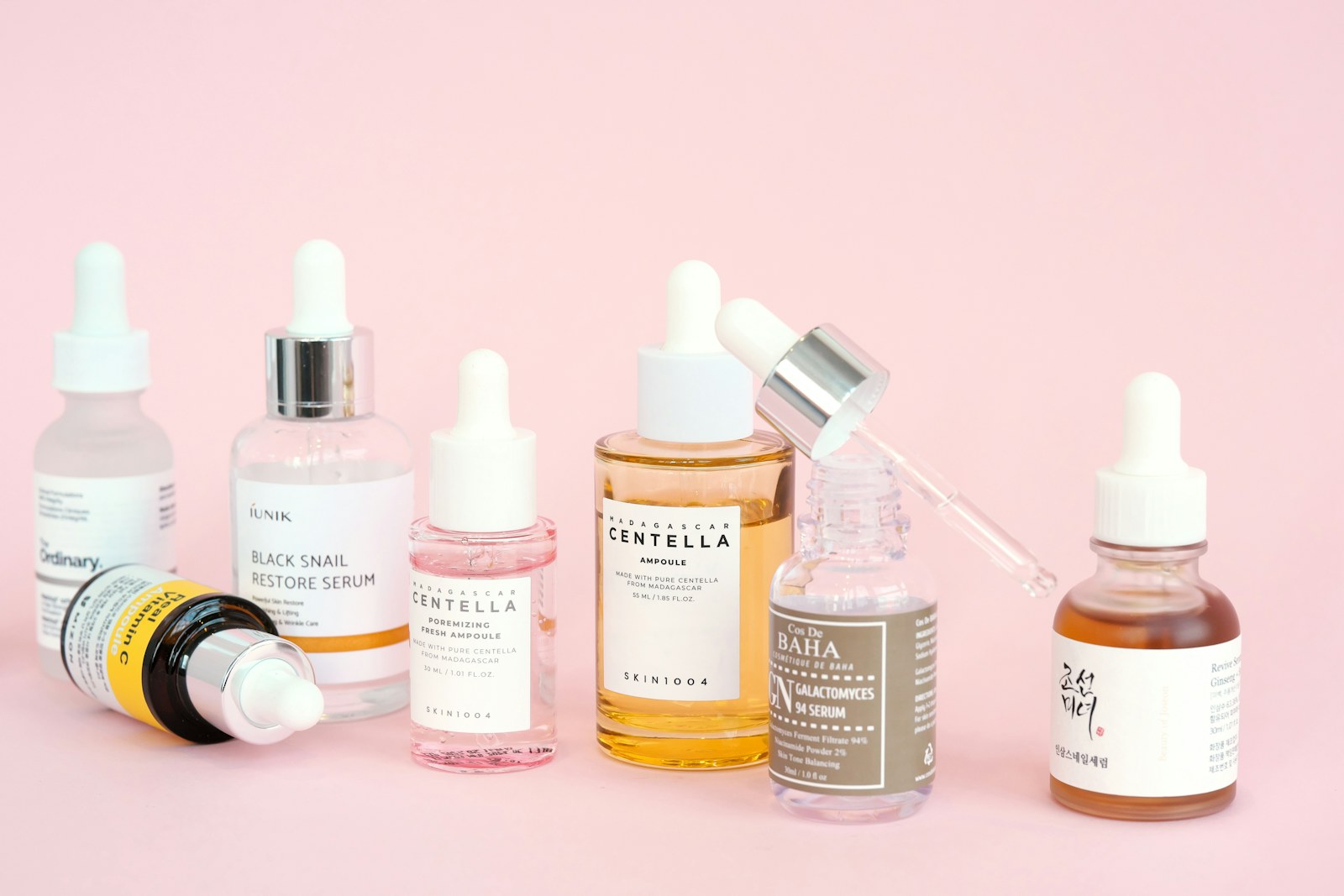
Why is a peptide ingredient not enough to categorize a referral?
An ISO may hear peptide business and assume the opportunity resembles a research-material seller. That can miss what the merchant actually sells. Begin with the finished item: a retail moisturizer, a serum, a raw ingredient, a research product or another clearly described offering. Ask who buys it and how the business presents its use.
FDA explains that intended use helps determine whether a product is a cosmetic, a drug or both. Claims about treating disease or affecting body structure or function can matter to that distinction. This is US regulatory context, not a legal classification of a particular brand and not a payment partner's acceptance policy.
What should an ISO ask a small skincare brand first?
Ask the brand to show representative product pages and explain whether it manufactures, private-labels or resells the products. Record the customer-facing brand and the business that would accept payment. A supplier's name on a package does not by itself tell you who is responsible for the retail sale.
Next, establish the selling model. One-time online orders, recurring replenishment and wholesale sales raise different operational questions. Ask which channels the proposed account will cover and whether fulfillment is handled in-house or by another company. This gives the referral an actual commercial description without declaring every cosmetics merchant high-risk.
- Product form: finished consumer product, ingredient or another specified category.
- Catalog: representative items and the descriptions customers can see.
- Business role: manufacturer, private-label brand, reseller or distributor.
- Selling model: retail, wholesale, repeat billing or a combination.
- Fulfillment: who ships, expected delivery timing and how support works.
- Open issues: classification, claims or permissions the merchant still needs to resolve.
How should claims be handled without offering legal advice?
Preserve the wording the customer sees and ask the merchant to explain any inconsistency between its label, website and referral description. An ISO should not independently pronounce a therapeutic claim compliant or suggest removing relevant information solely to make an application easier.
FDA's guidance also notes that some products meet both cosmetic and drug definitions and that cosmeceutical is not a recognized legal category. A marketing label is therefore not a substitute for the merchant's classification work. Where the intended-use question is material, the merchant should obtain appropriate professional guidance before the referral is described as settled.
What does a differentiated referral look like?
A hypothetical private-label serum brand needs a merchant account for its own online sales. The useful description is a finished-product retail business, supported by its actual catalog and claims. It should not be presented as a research supplier merely because an ingredient is a peptide. Here is a sample processing brief; the figures are illustrative, not a client case study.
This level of detail lets a potential partner ask about the actual transaction. Classification questions still need the merchant's qualified advisers, and acceptance remains a separate decision. A research-material seller, or a business with additional clinical or drug-related activity, needs an accurate description of that activity instead.
- Applicant and product: US private-label skincare brand selling sealed, finished facial serums through its own storefront; no research materials in the proposed catalog.
- Order model: one-time direct-to-consumer purchases, illustrative $68 average order; subscriptions are not currently offered.
- Delivery: US fulfillment partner ships existing stock; the brand handles customer support, returns and refunds.
- Review need: online card acceptance for the current catalog; provide representative product pages and identify any unresolved claims questions.
- Future change: replenishment subscriptions are only planned and should be raised separately before being added.
What if retail products and other activities share a website?
List the activities and say which ones would use the requested processing arrangement. A business might offer retail products alongside professional services or sell to both consumers and other businesses. Avoid implying that a review of one activity automatically covers the others.
If the merchant plans to add products after launch, distinguish the current catalog from the roadmap. Ask what changes a prospective partner would need to review before implementation. Do not recommend disguising an activity, routing another entity's transactions through the account or omitting products that materially change the opportunity.
What should the first ISO inquiry include?
A concise paragraph can be enough to start: your role, the actual finished product, the merchant's operating model, the public website and the payment question your current channels cannot resolve. There is no need to attach a customer's order history or confidential manufacturing files to establish that initial context.
MerchantBridge can explore acquiring-bank and full-risk ISO channels for the actual retail opportunity, and international acquiring options where relevant. The aim is to help an ISO pursue an opportunity outside its current channels with a more accurate business profile. Partner availability and referral terms are confirmed individually; a peptide ingredient alone does not establish the merchant's processing category.
Have a merchant opportunity to discuss?
Referring a skincare, serum or cosmetic brand? Discuss an ISO Referral with MerchantBridge. Tell us what the finished products are, how they are sold and the processing question you need help exploring. Commercial terms and partner availability are reviewed individually.
Start with your own details. Partnership terms are discussed case by case.
Sources & context
- Is It a Cosmetic, a Drug, or Both?
FDA | Publication date not stated | Checked October 30, 2026
US intended-use distinction, products meeting both definitions and absence of a legal cosmeceutical category; not a finding about a particular merchant.
MerchantBridge analysis is separate from the source publishers' statements. References do not imply a partnership or endorsement. Provider policies can change. MerchantBridge is a payments advisory and referral business; partners determine eligibility and account terms. This article is general business information, not legal, medical or regulatory advice.