
MerchantBridge Advisors
Nutraceutical and Supplement Payment Processing
Newer and established supplement brands can explore payment processing through MerchantBridge's acquiring relationships. Start with the products you sell, your business stage and the way customers order and pay.
We review your processing objectives, product presentation and fulfillment model to identify an appropriate partner conversation. Requirements vary by relationship; eligibility, supported markets and account terms are assessed individually.
Free review. No MerchantBridge review or referral fee.
Representing a merchant? Review the ISO referral path.
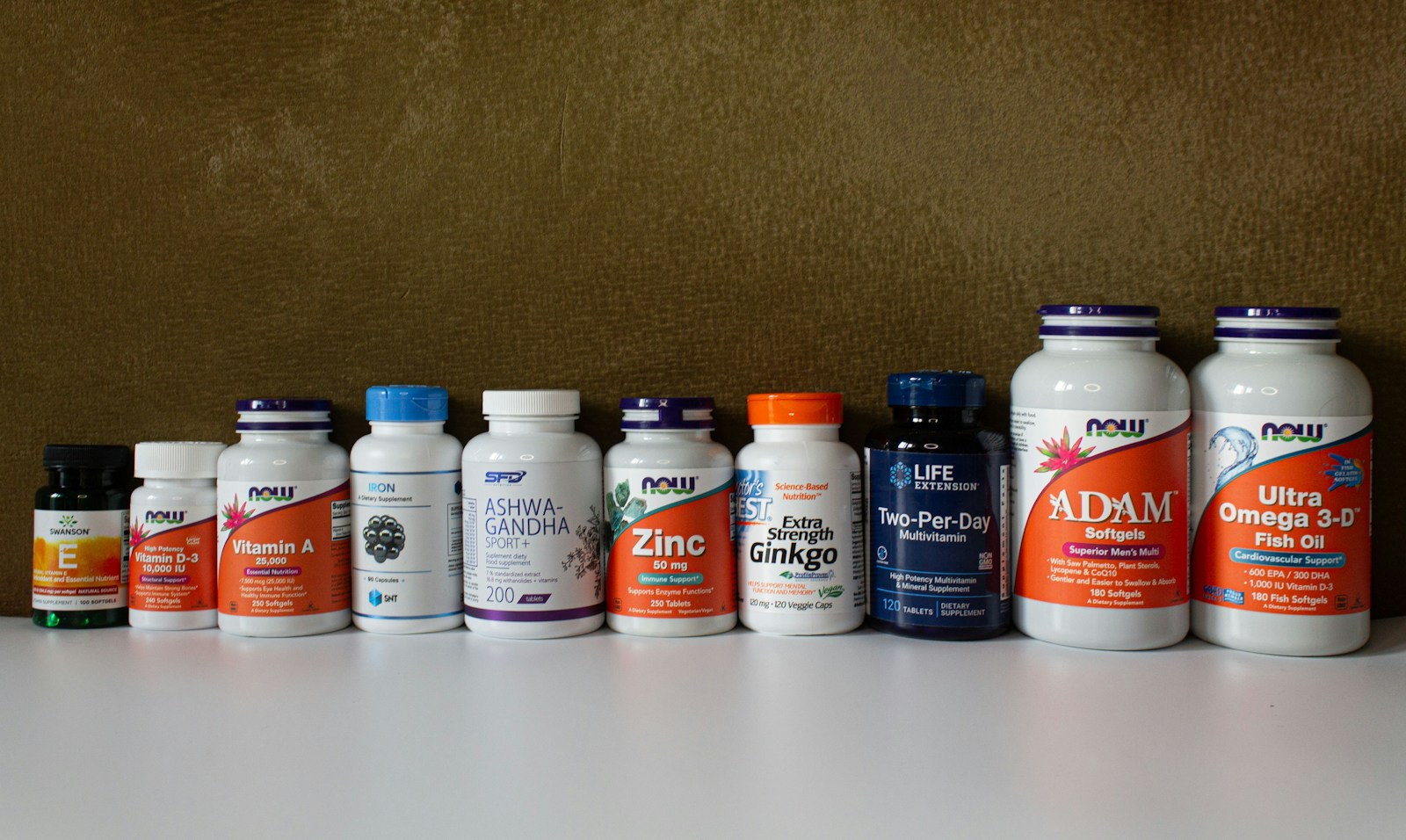
What products sit behind the nutraceutical label?
List the actual product categories, formats and intended use. A general wellness brand name does not tell a reviewer whether the catalog contains dietary supplements, conventional foods, cosmetic topicals or another type of product. If the business sells more than one category, separate them in the description and identify the entity responsible for each sale.
FDA explains that dietary supplements are products intended for ingestion that meet the statutory definition and other requirements. Topical and inhaled products are not dietary supplements merely because they contain familiar wellness ingredients. Product classification should follow the actual formulation, presentation and use, not the payment category the merchant would prefer. U.S. Food and Drug Administration: Questions and Answers on Dietary Supplements
A useful initial summary identifies whether you manufacture, private-label, distribute or retail the products. Explain who controls labels and marketing, who holds stock and who handles customer support. A supplier's established business does not automatically establish your brand's processing eligibility or remove your own responsibilities.
How should newer and established brands prepare differently?
A newer business can explain its launch stage, supply arrangements, planned channels, fulfillment readiness and expected order profile. Label projected sales as forecasts and state the assumptions behind them. Do not present a manufacturer's sales, a founder's previous company or an unsigned wholesale proposal as your own processing history.
An established business should summarize actual activity and the change being considered: a new product line, a broader customer market, recurring orders or a different checkout platform. Explain whether the new activity resembles the existing business or introduces a different product and delivery profile.
Partner requirements vary. MerchantBridge can explore which relationship may be relevant to the stage and model rather than treating every inquiry as the same application. There is no universal trading-history minimum or launch approval promised on this page. The first conversation can establish what is known and what still needs preparation.
What product and advertising evidence is useful?
Keep a current catalog, label set and explanation of the claims made on the product page and in advertising. FDA does not approve dietary supplements before they are marketed. Avoid presenting a facility registration, supplier assurance or testing document as FDA approval of the finished product. Product-specific regulatory requirements still need appropriate assessment. U.S. Food and Drug Administration: Questions and Answers on Dietary Supplements
FDA's structure/function guidance describes conditions for relevant labeling claims, including truthful substantiation, notification and required disclaimers. It distinguishes those claims from disease claims. A disclaimer should not be treated as permission to make any health promise a brand wants to advertise. U.S. Food and Drug Administration: Structure/Function Claims
The FTC's health-products guidance addresses both express and implied advertising claims and the evidence needed to support them. For payment preparation, review the whole customer journey: ads, landing pages, testimonials, affiliates and checkout. A restrained product page does not explain a contradictory promise made in a campaign. Federal Trade Commission: Health Products Compliance Guidance
Our suggested approach is an internal evidence index showing who maintains labels, supplier information, testing records where applicable and marketing substantiation. This is not a claim that every provider requires the same document package or that any one certificate establishes legality or acceptance.
Can the business deliver the orders it proposes to collect?
Describe where inventory is held, who ships it, how availability is updated and how customers are informed of delays. Distinguish stocked products from preorders and identify the lead time between collection and dispatch. A launch plan should explain how the first orders will be fulfilled; a growth plan should account for the proposed peak.
Consider a fictional private-label brand preparing its first direct-to-consumer release. Its manufacturer has completed a batch, but the brand's packaging, warehouse intake and support process are unfinished. Those steps remain part of readiness even though the goods exist. A proposed processing arrangement should be assessed against the complete delivery plan.
For an established brand, connect refunds and support themes to the underlying product or delivery issue. Aggregated trends can explain the business without sending customer health information. If a product is removed or changed, identify how open orders, recurring selections and communications are updated.
How do one-time orders and subscriptions change the review?
Describe the first order separately from later charges. State whether the customer actively reorders, enrolls in a subscription, receives a trial or accepts a promotional introduction that changes price later. The provider needs the actual billing and fulfillment model, not just the word 'recurring.'
For covered Internet negative-option transactions, ROSCA requires clear material terms before billing information is obtained, express informed consent before charges and simple mechanisms to stop recurring charges. Applicable state rules and the particular offer still need review. Do not treat a subscription app's default settings as a complete legal assessment. Federal Trade Commission / U.S. Congress: Restore Online Shoppers' Confidence Act, section 4
As practical preparation, test how a customer changes a delivery, cancels, reports an unwanted renewal or receives a refund. Confirm that the billing system and fulfillment system use the same current instruction. A canceled renewal should not remain queued simply because the warehouse and payment platform update at different times.
What should a supplement merchant bring to the first discussion?
- Business name, website, operating country and intended customer markets.
- Product categories, formats and the role of the business as manufacturer, brand, distributor or retailer.
- Launch stage or actual trading history, with forecasts clearly separated from recorded activity.
- Who supplies, stores and ships products, including preorders or extended delivery periods.
- The advertising channels used and who reviews claims made by the brand or its affiliates.
- One-time, subscription and promotional billing arrangements, including cancellation and support processes.
- Current or proposed checkout, gateway and any required recurring-payment integration.
- Typical order profile, expected seasonality and the specific processing objective.
This is a suggested business brief. Do not attach customer lists, health questionnaires, card data or confidential manufacturing files to the first inquiry. Later supporting evidence should be requested for a defined review through an appropriate private process.
A concise explanation can be useful even if some launch facts remain open. State the unresolved issue plainly: product review, checkout compatibility, a new customer market or whether a relationship can consider the business stage. MerchantBridge can help identify the next question without presenting an incomplete application as ready.
How should costs and settlement be compared?
Ask the prospective partner to explain the complete charges for the proposed transaction mix, including gateway, recurring billing, refunds, disputes, minimum commitments and other applicable services. Confirm the exact checkout integration and the work required to connect inventory, subscriptions and reporting. No universal nutraceutical rate is quoted here.
Separately ask how funds are disbursed, which conditions affect availability and how refunds or adjustments appear in reports. Plan operating cash against the actual supplier and fulfillment commitments, not an assumed immediate payout. MerchantBridge does not promise a particular reserve, currency, funding schedule or approval deadline.
For a provider change, distinguish moving saved payment credentials from moving subscription instructions and open orders. Confirm responsibility for historical transactions and continued customer support. A lower proposed headline rate may not resolve an integration gap or a product-eligibility question.
What should an ISO include in a nutraceutical referral?
Discuss an ISO Referral for either a newer or an established brand using the referrer's own contact details. Describe the actual stage and product model so MerchantBridge can explore a relevant relationship. Do not assume that one partner's appetite defines all available channels.
- Identify the product categories and whether the merchant manufactures, private-labels or resells.
- State whether activity is planned, newly operating or supported by established processing history.
- Summarize customer markets, fulfillment responsibility and any recurring or trial offer.
- Explain the current channel's limitation or the new capability being sought.
- Flag unresolved product, claims or platform questions without certifying regulatory compliance.
- Keep customer data and confidential supplier records out of the initial referral brief.
A clear early-stage referral is more useful than an inflated history, and a mature brand still needs review when its actual activity changes. Commercial terms, communication and the method of introduction are agreed case by case; no compensation or acceptance outcome is promised.
Questions from supplement brands and agents
Can a new supplement brand inquire?
Yes. Explain the launch stage and preparation honestly. Different relationships consider different profiles, and any option remains subject to review.
Does an FDA-related registration mean the product is approved?
No. Do not confuse a registration or supplier credential with approval of the finished product. The relevant product and claims requirements remain separate.
Can topical cosmetics use this same description?
Describe them as the products they actually are. The skincare and cosmetics page provides a separate starting point for finished topical products.
Can an ISO discuss an opportunity before collecting documents?
Yes. Begin with an anonymized business summary and the referrer's contact details. Agree later information needs and permission before an introduction.
Discuss this merchant opportunity with MBA
If you are an ISO, agent or payments company with a merchant in this category, start with your own contact details and a business-level overview. We can discuss the available acquiring relationships and what needs to be established before an introduction. No merchant contact list or sensitive customer records are needed.
Eligibility, partner coverage and commercial terms are considered case by case. No placement, compensation or relationship-protection terms are promised.
Supplement and nutraceutical insights
Product, recurring billing and growth questions for newer and established brands.
Essential readingWhat payment partners need to know
Prepare the business facts before the next review.
Explore the guideFrom the resource library
Domestic or international acquiring?
Understand the differences behind the options.
Ask better settlement questions
Separate payment acceptance from how you get paid.
Bring your product and payment model into the review
Request Processing Review with your business details, product categories, stage and processing objective. Newer and established brands are welcome to describe their needs.
ISOs can Discuss an ISO Referral on the For ISOs page, using their own details and a concise business overview.
Partner requirements vary. Initial inquiries need business information, not customer records or sensitive documents.
For a question about preparing your brand's overview, Contact MerchantBridge.